Is My House Safe with Subsidence
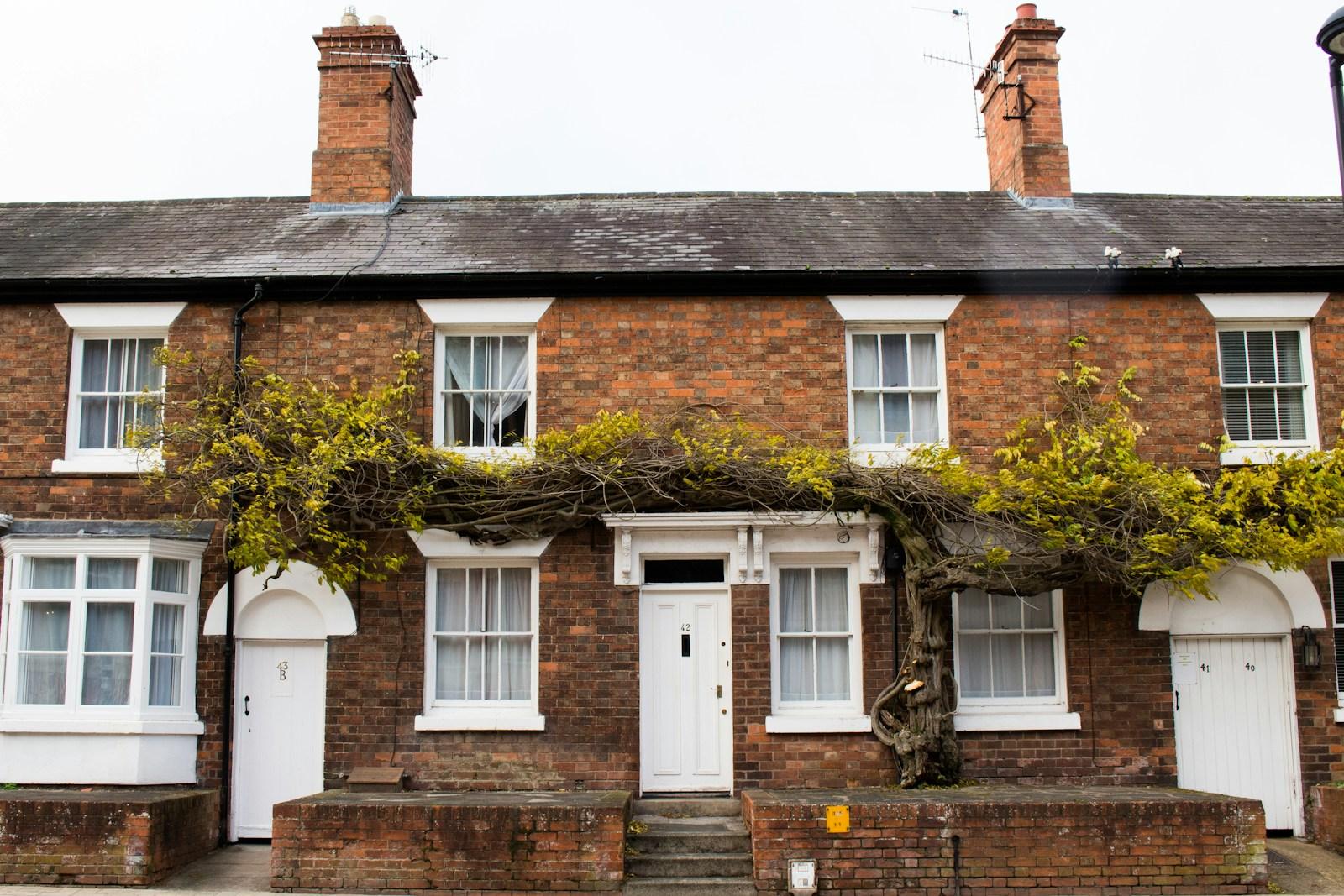
Cracks have appeared and subsidence is suspected or confirmed. Your immediate question: “Is my house safe?” Whether you’re in Preston, Blackpool, or anywhere across Lancashire, understanding when subsidence creates genuine danger versus manageable problems helps you respond appropriately without unnecessary panic.
Most properties with subsidence remain perfectly safe whilst repairs are arranged.
Immediate Danger Signs
Walls leaning outward pose collapse risk. Measure from vertical using plumb lines or spirit levels held against walls. Lean exceeding 25mm over wall height needs urgent structural engineering assessment. Visible outward bulging demands immediate action.
Horizontal cracks through walls indicate severe compression failure. These prove far more dangerous than diagonal or vertical cracks. Horizontal cracks suggest walls might be buckling under excessive loads redistributed by foundation movement.
Large sections of render or brickwork fallen recently show active progressive failure. If chunks of wall are dropping off, the structure is deteriorating rapidly. Evacuate and contact structural engineers immediately.
Internal load-bearing walls showing severe cracking threaten upper floor support. If internal walls supporting floors above show cracks exceeding 15mm or visible lean, upper floors might be at risk.
Cracks over 25mm width (Category 5 damage) require immediate professional assessment. At this severity, structural integrity questions demand urgent answers before occupying affected areas.
Moderate Concern Indicators
Diagonal cracks between 5-15mm width (Category 3) need professional assessment but rarely indicate immediate danger. These show significant movement has occurred but walls typically remain structurally adequate whilst investigations proceed.
Doors and windows that won’t open because frames have distorted indicate substantial movement. Ensure escape routes remain functional. You might need temporary repairs to maintain egress whilst permanent solutions are arranged.
Multiple symptoms appearing simultaneously across different rooms suggest systematic problems. Whilst rarely immediately dangerous, widespread subsidence needs prompt professional evaluation to prevent deterioration.
Rapidly growing cracks that widen measurably week-by-week indicate active ongoing movement. Whilst not immediately dangerous, the progression demands urgent investigation before damage escalates.
Low Risk Situations
Hairline to minor cracks under 5mm width (Categories 0-2) rarely indicate danger. These might represent subsidence in early stages or could be normal settlement. Either way, immediate structural risk remains minimal.
Static cracks that haven’t changed for months or years suggest movement has stabilised. Historic subsidence that stopped decades ago doesn’t threaten safety even if cracks remain visible.
Cracks affecting only internal plaster without corresponding external damage often don’t indicate structural problems. These surface-level defects look concerning but don’t compromise building integrity.
Single isolated cracks without accompanying symptoms might represent localised stress rather than systematic subsidence. One crack alone rarely indicates dangerous structural compromise.
Lancashire Soil Considerations
Clay soils throughout Preston and Blackburn typically move gradually. Clay shrinkage creates subsidence developing over months or years. This slow progression rarely produces sudden dangerous failure. You have time to arrange proper investigation and repairs.
Former industrial sites around Burnley on made ground might experience more rapid settlement. Backfill compression can occur suddenly if voids collapse underground. Properties in these areas warrant more cautious assessment if subsidence appears.
Victorian terraced properties across Lancaster typically have shallow foundations but thick solid walls. These robust walls tolerate substantial movement before becoming dangerous. The structural mass provides safety margins despite foundation inadequacy.
Coastal properties near Blackpool face salt-induced mortar deterioration. Some cracking relates to weathering rather than subsidence. These properties need careful assessment to distinguish structural from cosmetic problems.
Structural Engineering Assessment
Structural engineers calculate safety margins. They assess if walls carry loads safely despite cracking and movement. These calculations determine if you can continue occupying your home or need to move out.
Engineers look for signs of progressive failure. Active cracking under load indicates ongoing problems. Static cracks suggest movement has stopped and structures have reached new equilibrium.
Load paths through buildings explain which elements are critical. Cracked external walls might be concerning but not immediately dangerous if internal structures remain intact. Understanding load paths helps prioritise concerns.
Foundation depth and construction affect safety margins. Deep modern foundations prove more robust than shallow Victorian ones. Engineers account for these variables when assessing safety.
When to Move Out
Insurers or structural engineers advising evacuation must be heeded immediately. Professional judgment that occupancy poses risk should never be ignored regardless of your own assessment.
Local authority building control issuing dangerous structure notices requires evacuation. These formal notices have legal force. Occupying buildings after such notices can result in prosecution.
Upper floors showing signs of inadequate support demand caution. If engineers express concern about floor collapse risk, move to ground floor areas or evacuate entirely until shoring is installed.
Visible ongoing deterioration with frequent new cracks or falling masonry makes occupancy increasingly risky. If conditions worsen daily, consider temporary relocation whilst awaiting permanent repairs.
Living Safely During Investigations
Avoid loading damaged areas heavily. Remove furniture and belongings from rooms showing severe cracking. Don’t store heavy items near compromised walls or on potentially weakened floors.
Don’t conduct DIY structural work. Removing walls or cutting into structures might trigger failure. Any structural modifications must wait until engineers specify safe procedures.
Install temporary props if engineers recommend them. Acrow props supporting damaged walls prevent further movement and reduce collapse risk whilst permanent repairs are designed.
Maintain access to escape routes. Ensure all exits remain usable. If subsidence has jammed doors, prop them open or create alternative escape paths.
Repair Work Safety
Underpinning and subsidence repairs involve excavation near foundations. The building becomes more vulnerable during works than before. Contractors should install temporary supports before weakening structures further.
Works requiring moving out typically do so because construction activities increase risk rather than because existing conditions are dangerous. The repair process creates temporary instability.
Stay clear of active work areas. Excavations, props, and construction equipment create hazards. Let contractors complete work without interference.
Long-Term Safety After Repairs
Properly repaired subsidence leaves properties as safe as before movement occurred. Underpinning typically creates stronger foundations than original construction. Modern materials and techniques exceed old standards.
Monitor repaired areas for several years. Some movement might continue despite repairs. Regular inspections catch problems before they become serious.
Structural warranties or guarantees from repair contractors provide additional assurance. These typically cover repair work for 10-25 years, demonstrating contractor confidence in safety and durability.
Children and Vulnerable Occupants
Extra caution applies when children, elderly, or disabled occupants are present. Their reduced mobility or awareness increases risk if rapid evacuation becomes necessary.
Ensure vulnerable occupants know where exits are and can access them independently. Practice evacuation procedures if engineers express any concerns about building stability.
Consider temporary alternative accommodation for vulnerable family members whilst investigations proceed. The modest cost of hotels or staying with relatives provides peace of mind.
Insurance and Safety
Insurers providing alternative accommodation have assessed risk. If they’re not offering accommodation, they judge the property safe for continued occupation. This assessment comes from their engineers and loss adjusters.
Don’t assume insurer silence means safety. If you have concerns, commission your own structural engineering assessment. Independent professional advice trumps assumptions about what insurers think.
Signs of Imminent Failure
Loud cracking noises indicate active movement. If you hear masonry cracking audibly, evacuate immediately and contact emergency services. This suggests rapid progressive failure.
Dust falling from ceilings or walls shows movement occurring. Small amounts might be innocuous, but persistent dust production suggests active deterioration.
Sudden changes in crack widths measured within hours indicate rapid movement. This acceleration suggests previously stable situations have become active and potentially dangerous.
Professional Monitoring During Risk Periods
Electronic monitoring equipment tracks movement in real-time. Engineers sometimes install sensors during investigation periods. These provide alerts if movement accelerates, allowing proactive response.
Regular professional inspections during investigation periods catch deterioration early. Schedule weekly or fortnightly engineer visits if concerns exist about safety.
Building Insurance and Safety Obligations
Insurers have legal obligations to address dangerous situations. If their investigations reveal safety concerns, they must act promptly to make buildings safe regardless of claim disputes.
You have obligations too. If engineers advise evacuation and you ignore them, insurance coverage might be jeopardised. Claims for injuries or damage occurring after ignored safety advice could be denied.
Emergency Contacts
Keep structural engineer contact details readily available. If conditions worsen suddenly, immediate professional advice helps determine appropriate response.
Know how to contact local authority building control outside office hours. Dangerous structure concerns sometimes require official intervention.
Have emergency accommodation plans ready. Know where you’d go if sudden evacuation became necessary. Having plans reduces panic and speeds safe relocation.
Realistic Risk Assessment
The vast majority of subsidence cases never threaten occupant safety. Buildings tolerate substantial movement without collapse. The robust construction typical of British housing provides generous safety margins.
Fear of collapse is natural but usually unfounded. Even severe subsidence rarely makes buildings imminently dangerous. The gradual nature of most subsidence allows time for proper assessment and repairs.
Trust professional judgment over internet horror stories. Your specific situation differs from worst-case examples you might read online. Structural engineers assessing your actual property provide reliable safety advice.
Focus on getting proper diagnosis and appropriate repairs. Safety concerns typically resolve once proper interventions are implemented. The repair process might be inconvenient, but physical danger to occupants remains rare.
Children’s Questions About Safety
Young children often fear their home will collapse after seeing cracks or overhearing discussions about subsidence. Reassure them that professionals are monitoring the situation and the house remains safe.
Explain that buildings are very strong and engineers know how to fix problems before they become dangerous. Focus on the solution process rather than dwelling on fears.
If evacuation becomes necessary, present it as temporary adventure rather than frightening necessity. Children adapt better when adults remain calm and matter-of-fact about situations.