Do I Call a Structural Engineer or Builder for Subsidence?
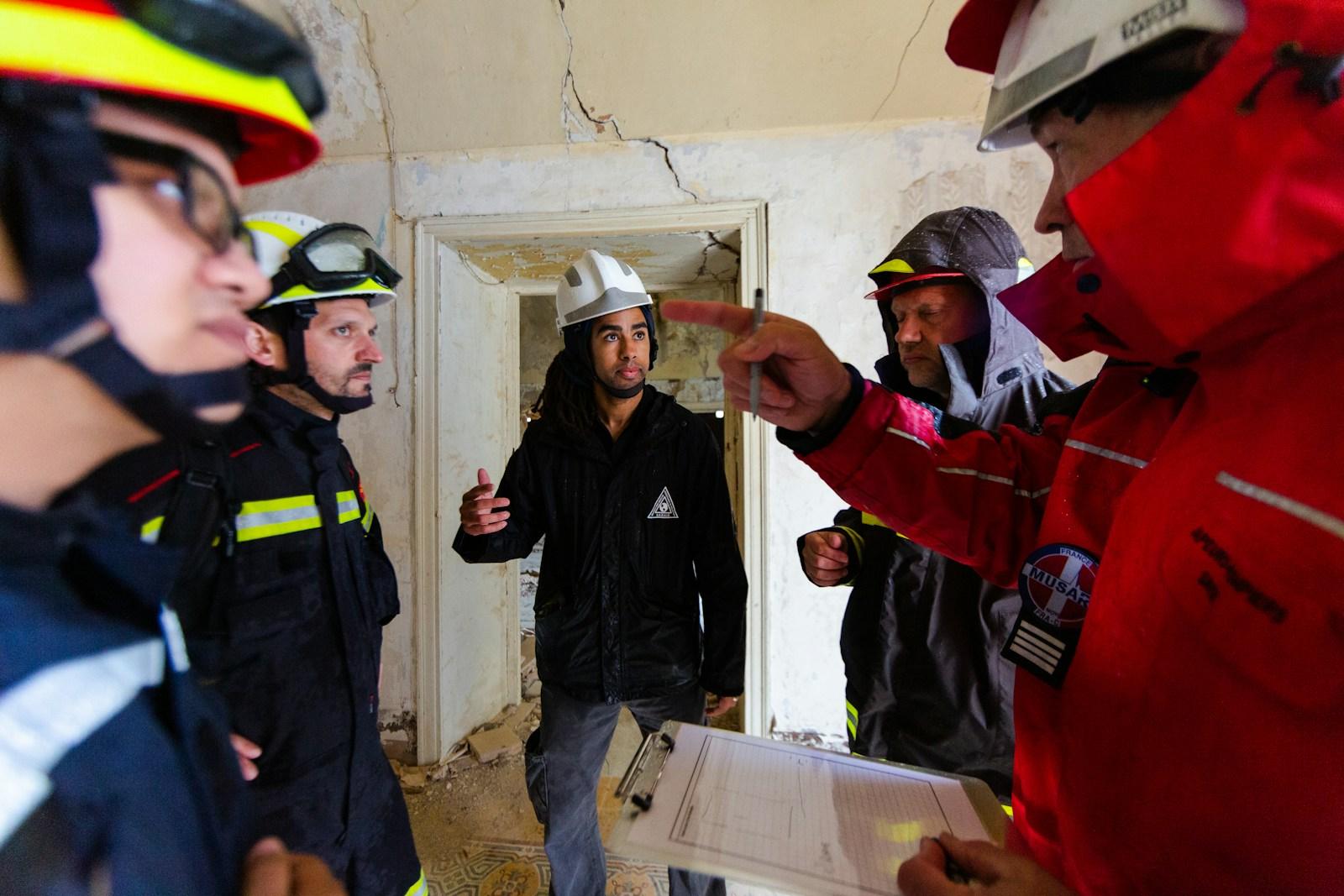
Cracks have appeared. You’re worried about subsidence. Now you’re stuck wondering who to call first. A builder might try to sell you repairs you don’t need. An engineer costs money upfront but provides independent assessment.
The right choice depends on your situation, but understanding what each professional offers helps you make informed decisions.
What Structural Engineers Do
Chartered structural engineers hold formal qualifications and professional indemnity insurance. They’re registered with the Institution of Structural Engineers (IStructE) or Institution of Civil Engineers (ICE). This registration means they work to recognised standards and codes of practice.
Engineers assess buildings objectively. They diagnose problems based on evidence rather than profit from subsequent repairs. Their reports stand up in legal disputes, insurance claims, and negotiations with builders.
Site investigations involve measuring levels to determine settlement patterns. Engineers check foundation depth where accessible. They assess crack patterns, widths, and locations. This systematic approach identifies causes accurately.
Recommendations follow formal calculations. Engineers determine if structures remain safe. They specify repairs based on British Standards and Building Regulations. These specifications ensure builders complete work properly.
Reports typically cost £500-1500 depending on complexity. Large properties or severe damage require more extensive investigation. The fee buys you independent professional advice protecting you from expensive mistakes.
What Builders Offer
Experienced builders recognise common problems. They’ve seen subsidence before and might identify obvious causes like tree roots or drain issues. Good builders provide valuable practical insights from decades of hands-on work.
Builder assessments cost nothing upfront. They offer free surveys hoping to win repair contracts. This creates conflict of interest. They profit from recommending expensive solutions whether or not you need them.
Quotations lack engineering calculations. Builders suggest repairs based on experience rather than structural analysis. Sometimes this works fine. Other times, they over-specify expensive solutions or miss underlying causes.
No professional indemnity insurance covers most builders. If their diagnosis proves wrong or repairs fail, you have limited recourse. Structural engineers carry insurance specifically covering professional negligence.
When to Call an Engineer First
Insurance claims require professional reports. Insurers won’t accept builder assessments for subsidence claims. You need a chartered structural engineer’s report to validate your claim and specify necessary repairs.
Cracks exceeding 5mm width need engineering assessment before any repairs. At this severity, you’re dealing with potential structural safety issues. Engineers determine if immediate danger exists and prioritise repair work.
Multiple builders providing contradicting advice suggests you need an independent opinion. One builder recommends underpinning at £40,000. Another suggests simple monitoring. An engineer’s report breaks this deadlock.
Property transactions complicate matters. Buyers’ surveyors note potential subsidence. You need engineering reports to reassure mortgage lenders. Without professional assessment, sales fall through.
Dispute situations require engineering evidence. Neighbour’s tree causing damage to your property needs documented proof. Planning appeals or building control issues demand professional engineering input.
When Builders Suffice
Minor cracking under 3mm width rarely needs engineering input. Builders can assess if simple movement has occurred and repairs should hold. Their quotes cover filling and redecorating at reasonable cost.
Obvious causes like identified leaking drains sometimes need plumbers more than engineers. Fix the leak, monitor for further movement, then repair cosmetic damage. Engineers add cost without changing this approach.
New build snagging during warranty periods follows established procedures. Report defects to builders and NHBC. Engineering reports might strengthen claims but aren’t always necessary for warranty repairs.
Pre-purchase peace of mind surveys help house hunters. Pay builders £100-200 for opinions on properties you’re considering. If they raise concerns, commission proper engineering surveys before exchanging contracts.
Combined Approach
Many homeowners start with trusted builder consultations. Builders identify obvious issues like trees too close, visible foundation problems, or failing lintels. This free initial assessment guides your next steps.
Commission engineering reports if builders suggest expensive repairs. Spending £750 on engineering advice before committing to £30,000 underpinning makes financial sense. Engineers might find cheaper solutions or confirm underpinning’s necessity.
Use engineer specifications for builder quotes. Engineers design repair schemes. Builders then quote for completing work to engineering specifications. This separation ensures optimal solutions at competitive prices.
Qualifications to Verify
Check engineers are chartered members of IStructE or ICE. Their title should read “Chartered Structural Engineer” or “Chartered Civil Engineer.” Membership numbers can be verified through professional body websites.
Professional indemnity insurance must cover structural engineering advice. Ask for evidence before commissioning reports. Policies should cover at least £1 million per claim.
Experience specifically with subsidence matters. General structural engineers understand principles, but subsidence specialists bring additional expertise. Ask how many subsidence investigations they complete annually.
Builder qualifications vary widely. Check membership in trade bodies like Federation of Master Builders. Ask for references from previous subsidence repair projects. Verify insurance covers structural repair work.
Report Contents Matter
Engineering reports should include:
– Site investigation findings with measurements and photographs
– Analysis of crack patterns and settlement
– Likely causes with supporting evidence
– Structural safety assessment
– Repair recommendations with specifications
– Estimated costs for recommended repairs
– Monitoring protocols if applicable
Builder quotes should detail:
– Specific work to be completed
– Materials specifications
– Timeline for completion
– Payment schedule
– Warranties offered
– Insurance coverage
Cost Considerations
Engineers charge for knowledge, not labour. Their fees seem expensive compared to free builder surveys. But wrong diagnoses cost far more than report fees. Unnecessary underpinning wastes £30,000-50,000.
Builders make money from repairs, not assessments. Free surveys reflect this business model. They need repair contracts to justify survey time. This inherent bias affects their recommendations.
Insurance often reimburses engineering fees if subsidence claims succeed. You pay upfront but recover costs through settlements. Builder fees never get reimbursed separately from repair costs.
Questions to Ask Engineers
How many subsidence cases have you investigated? Seek specialists completing 20+ investigations annually rather than generalists handling occasional cases.
Will you provide a report suitable for insurance claims? Some engineers offer basic advice letters unsuitable for claims. Specify you need a formal structural investigation report.
Do your fees include returning to supervise repairs if needed? Some engineers quote for initial reports only. Others include construction monitoring to ensure builders follow specifications.
What happens if your recommendations don’t solve the problem? Professional indemnity insurance should cover this, but confirm their policies.
Questions to Ask Builders
Have you completed similar subsidence repairs before? Ask for specific examples and customer references you can contact.
Will you work to structural engineer’s specifications if we commission reports? Some builders resist engineers questioning their judgement. Find contractors welcoming professional oversight.
What warranties do you offer on subsidence repairs? Good contractors guarantee structural repairs for 10-25 years. Short warranties suggest confidence issues.
Are you registered with relevant trade bodies and complaint schemes? This provides recourse if work proves unsatisfactory.
Making Your Decision
Consider the stakes involved. Minor cosmetic repairs need less oversight than major structural work. Small budgets might risk builder assessments. Large repair bills justify engineering costs.
Your risk tolerance matters. Some homeowners accept builder advice readily. Others need independent engineering reassurance. Neither approach is wrong if it matches your circumstances.
Time pressures influence decisions. Engineers take weeks to investigate and report. Builders can start immediately. Urgent stability problems might need builders shoring up structures whilst awaiting engineering reports.